
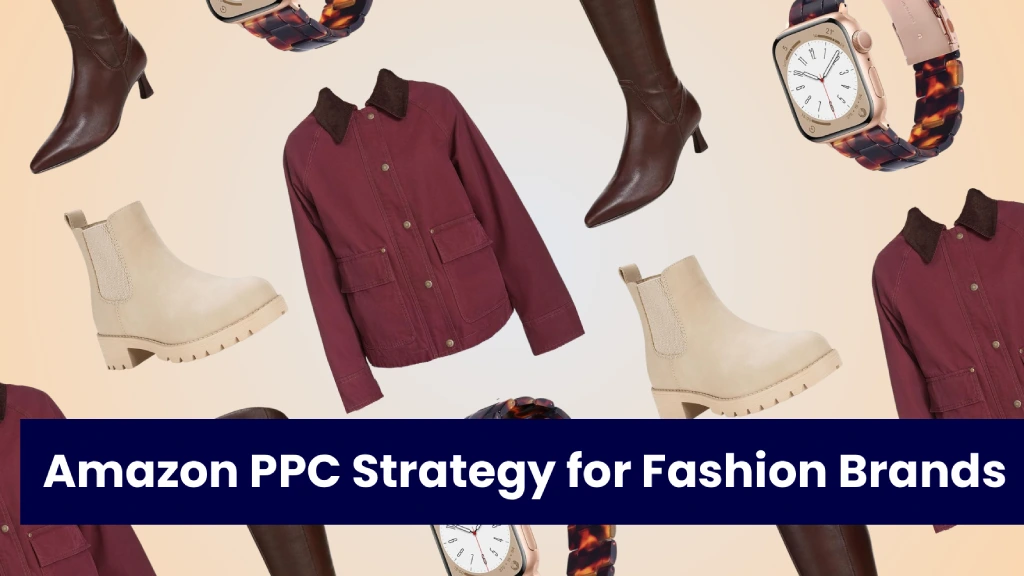
Paid search on Amazon is one of the fastest ways for fashion brands to get discovered and to scale sales. A smart Amazon PPC management plan moves shoppers from awareness to consideration and finally to purchase.
This guide gives a step by step strategy tailored for fashion brands. It explains campaign structure, creative tips, bidding methods, measurement, and growth tactics.
Follow these practices to build campaigns that convert, reduce wasted spend, and drive profitable growth.
Table of Contents
- Why Fashion Brands Need a Tailored Amazon PPC Approach
- A Four Stage Amazon PPC Funnel for Fashion Brands
- Campaign Structure & Recommended Settings
- Keyword Strategy For Fashion Sellers
- Creative & Image Best Practices for Fashion PPC
- Bidding and budget tactics for fashion categories
- Measurement and KPIs
- Common pitfalls and how to avoid them
- Mini Case Example
- Scaling and Growth Tactics
- Conclusion
- FAQ
Why Fashion Brands Need a Tailored Amazon PPC Approach
Fashion is visual and emotional. Shoppers buy on fit, look, brand trust, and perceived value. That makes clothes, shoes, and accessories different from many other categories. Generic PPC settings rarely work well. You need a plan that includes brand awareness, product discovery, fit reassurance, and repeat purchase tactics.
Key reasons to adapt PPC for fashion:
- Visual persuasion matters in every ad.
- Variations and sizes add complexity to targeting.
- Returns and sizing issues can affect profit if ads push the wrong buyers.
- Branding and collections help increase lifetime value.
A Four Stage Amazon PPC Funnel for Fashion Brands
Build campaigns around four stages. Each stage has different goals and ad types.
Stage 1 Awareness
Goal: Make shoppers know your brand and new collections. Use Sponsored Brands and Sponsored Display for reach. Run store or landing page campaigns to show a curated collection. Use lifestyle images and model shots to communicate fit and style.
[Image idea: Fashion brand hero banner with models wearing the new collection on a white background. Suggestion: full body shots in natural poses, simple studio look]
Stage 2 Consideration
Goal: Drive product detail views and engagement. Use Sponsored Products to promote core SKUs. Use Sponsored Brands video to tell a short brand story. Target competitor ASINs, category keywords, and style terms.
[Image idea: Close up of garment fabric and stitching. Suggestion: macro texture shot and a secondary image of model wearing the item]
Stage 3 Conversion
Goal: Turn interest into orders. Use precise keyword targeting, negative keywords, and product targeting to reduce wasted clicks. Promote bundled offers, size charts, free returns, and reviews. Use Sponsored Products and Sponsored Display remarketing.
[Image idea: Product carousel showing available colors and sizes. Suggestion: flat lay images of each color variation with labels]
Stage 4 Retention and Reengagement
Goal: Increase repeat purchases and cross sell. Use Sponsored Display and DSP for audience retargeting. Promote new releases to existing buyers. Use coupons or subscribe and save if applicable.
[Image idea: Email style graphic promoting a new arrival to past customers. Suggestion: mockup of a promotional email header with product images]
Campaign Structure & Recommended Settings
Organize your account by collection and by intent. Use a combination of automatic and manual campaigns. Set separate campaigns for new arrivals, best sellers, and seasonal collections. This makes bidding and measurement simpler.
Recommended setup:
- Auto campaign for discovery with low daily budget. Use search term reports to harvest keywords.
- Manual broad match for early discovery of long tail style terms.
- Manual phrase and exact match for high intent keywords.
- Sponsored Brands for brand and collection level promotion.
- Sponsored Display for competitor targeting and remarketing.
- DSP for higher funnel brand building in larger markets.
Budget tips:
- Allocate more budget to products with strong reviews and available inventory.
- Increase bids for sizes and colors that historically convert better.
- Keep a reserve budget for seasonal peaks.
Keyword Strategy For Fashion Sellers
Keywords for fashion mix product descriptors with style and usage. Think beyond color and size. Add context terms like occasion, fabric, and trend.
Primary keyword groups to target:
- Product descriptors: top, dress, sneaker, blazer.
- Style and fit: slim fit, oversized, tailored.
- Fabric and care: linen, cotton, washable.
- Occasion and use: wedding guest, office wear, gym.
- Brand and competitor terms.
Use search term reports to find converting phrases. Add negative keywords to prevent mismatched traffic. For example, block terms that indicate cheap or generic intent if you target premium buyers.
Creative & Image Best Practices for Fashion PPC
Images influence click through and conversions more than any single bid change. Use clean product photography and lifestyle images that show fit and movement.
Creative rules:
- Lead with a strong model shot for awareness ads.
- Use close up fabric textures in consideration ads.
- Show size and fit information in the ad copy where possible.
- For Sponsored Brands video, keep it under 30 seconds and show product on model, fabric close up, and a quick call to action.
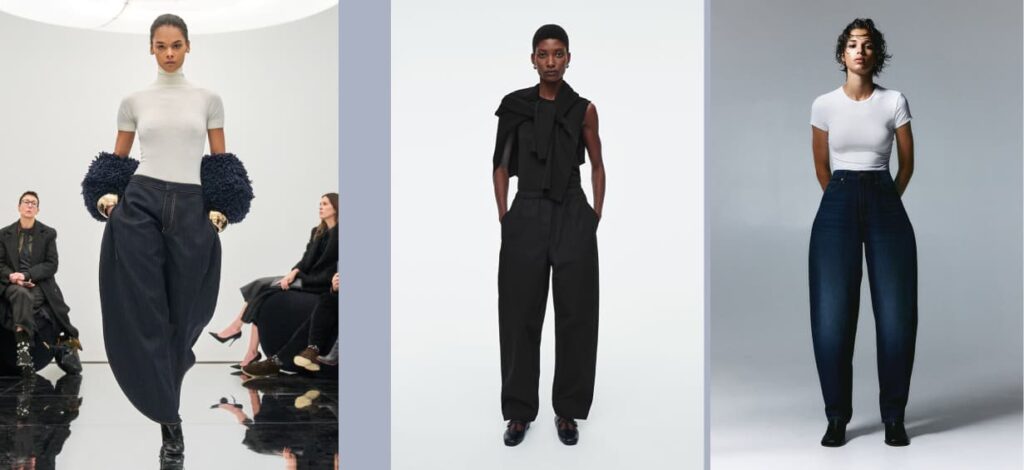
Always test images. Run a creative split test for 2 to 4 weeks and measure conversion rate and cost per click for each visual.
Bidding and budget tactics for fashion categories
Bid based on intent and margin. For awareness, bid for impressions and clicks. For conversion, bid to achieve target ACoS or ROAS.
Practical bidding rules:
- Use dynamic bidding up and down for discovery campaigns to catch high intent searches.
- For manual campaigns with converting keywords, use fixed bids to control cost per click.
- Increase bids on exact match queries that produce sales.
- Lower bids or pause keywords with high spend and no conversions.
- Use placement adjustments to bid higher on top of search for best sellers.
Track the ratio between ACoS and TACoS to ensure ads grow overall sales profitably. TACoS is useful to see how ad spend affects total sales including organic channel.
Measurement and KPIs
Measure performance at SKU and campaign level. Track both short term and long term metrics.
Essential KPIs:
- Impressions and click through rate CTR
- Conversion rate CVR
- Cost per click CPC
- Advertising cost of sales ACoS
- Total advertising cost of sales TACoS
- Return on ad spend ROAS
- New-to-brand metric for awareness campaigns
Use search term reports weekly to find wasted spend and to harvest high performing keywords. Use placement reports monthly to adjust bids by placement.
Common pitfalls and how to avoid them
Problem 1) There is no clear funnel This causes wasted budget. Solution Create awareness, consideration, and conversion campaigns with distinct goals and budgets.
Problem 2) Poor image assets Images can kill CTR and reduce conversions. Solution Invest in model photography and texture close ups. Test multiple creatives.
Problem 3) Ignoring negative keywords This causes irrelevant clicks. Solution Add negative keywords weekly and refine the list from search term reports.
Problem 4) Overspending on non converting keywords This drains margin. Solution Pause or reduce bids on non performing keywords. Shift budget to best sellers.
Mini Case Example
A boutique womenswear brand launched a seasonal capsule collection. They used a three week pre launch awareness push with Sponsored Brands video and Sponsored Display targeting competitor ASINs. During launch they ran Sponsored Products on best selling SKUs with manual exact match bids. They also used negative keywords to exclude bargain search terms.
Result After eight weeks the brand saw higher conversion rate on advertised SKUs and improved organic traffic to their store page. The strategy moved new customers from awareness to purchase with a predictable cost per acquisition. This example shows how aligning creative, targeting, and bids solves the typical fashion marketplace problem of low discovery.
Scaling and Growth Tactics
Once you find profitable keywords and creatives, scale with care.
Scaling steps:
- Increase budget on top performing campaigns slowly by 20 to 30 percent every week.
- Expand to new marketplaces or languages with localized creatives.
- Use DSP to run prospecting and retention audiences on and off Amazon.
- Test catalog promotions and coupons inside Sponsored Brands campaigns.
- Monitor inventory carefully to avoid stock outs that kill momentum.
Conclusion
Amazon PPC for fashion brands is a layered process. It requires clear funnels, strong visuals, precise targeting, and constant optimization. Focus on the shopper journey from awareness to conversion. Use Sponsored Brands and Sponsored Display for reach. Use Sponsored Products for direct sales. Test creatives, harvest keywords, and control bids based on margin and intent. Follow this structure and you will build predictable and profitable campaigns for your fashion brand.
If you want, I can build a custom campaign plan for your exact catalog. I can also write ad copy and suggest specific images for each SKU. Which collection do you want to start with?
FAQ
Start small. Allocate a test budget per SKU for 2 to 4 weeks. Many brands start with 500 to 1500 USD per month for discovery. Scale based on ROI and margin.
ACoS varies by margin. For premium brands a higher ACoS may be acceptable if lifetime value is high. Use TACoS to understand channel profitability.
Focus on best selling variants first. Advertise full ranges once the base SKU shows profitable conversion. Use variation targeting to show the right color in ad creatives.
Run tests for at least 2 weeks. Use enough budget to gather statistical signals. Longer tests give more reliable results in fashion because conversion patterns can vary by day of week.
Yes if they are high quality. But consider localized creatives for different markets and seasons.