If you sell chocolate bars, gummy supplements, protein chews, or any CPG product that softens in heat, Amazon has a policy that can wipe out your Q2 and Q3 FBA revenue with almost no warning.
Related seasonal logistics guide: Meltable and seasonal products need storage, prep, and channel timing discipline. Read Third-Party Logistics for Amazon Sellers before scaling inventory across channels.
The Amazon meltable products policy restricts FBA intake for temperature-sensitive products every year from April 15 through October 15. Miss the cutoff and you’re looking at mandatory FBM fulfillment, 30–50% sales drops, and a race to clear inventory before Amazon auto-disposes it.
This guide covers everything CPG sweet snack and supplement brands need to know: the classification thresholds, the 155°F exemption pathway, the exact calendar, product-specific melting data, the 85-day lead time model, and a dual-channel strategy that keeps revenue protected through the summer.
Table of Contents
- What Is Amazon’s Meltable Products Policy?
- The 75°F Threshold vs. the 155°F Exemption: A Critical Distinction
- The Amazon Meltable FBA Calendar: Every Key Date
- The 50-Day Expiration Rule: An Often-Missed Trap
- The 85-Day Lead Time Model: Planning Your FBA Inventory
- How to Check If Your ASIN Is Flagged as Meltable
- FBM Strategy During the Restricted Season
- Building a Dual-Channel Annual Plan
- Frequently Asked Questions: Amazon Meltable Products
- The Bottom Line for CPG Sweet Snack and Supplement Brands
What Is Amazon’s Meltable Products Policy?
Amazon defines a product as “meltable” if it is susceptible to melting, deforming, or becoming unsellable when exposed to temperatures of 75°F (24°C) or higher. The policy exists because Amazon’s fulfillment center trailers and dock areas routinely reach 155°F (68°C) or higher during summer months in warmer states.
Products flagged as meltable cannot be received at FBA facilities from April 15 through October 15. They are automatically subject to removal orders if already in FBA when the season begins, and they remain your responsibility to fulfill or remove — Amazon will not store or ship them during the restricted period.
The policy applies across all categories. CPG brands are most commonly affected in: chocolate confections, gummy vitamins and supplements, protein bars with chocolate coatings, beeswax products, lip balms, and certain skincare formulations.
The 75°F Threshold vs. the 155°F Exemption: A Critical Distinction
Here is the distinction that most guides miss — and that costs brands thousands of dollars in avoidable FBM costs.
Amazon’s default classification flags any product that melts at or below 75°F (24°C). But there is an exemption: if your product can demonstrate heat stability up to 155°F (68°C) — the maximum temperature inside a sealed FBA trailer — you can dispute the classification and have it removed.
The 155°F Exemption Pathway
To dispute a meltable classification, you need:
- A manufacturer’s letter or lab certification confirming the product maintains integrity at 155°F (68°C)
- The product must not deform, leak, separate, or become unsellable at that temperature
- Submit through Seller Support with the documentation — this is not a self-service process
- Allow 5–10 business days for Amazon’s review
The exemption applies at the ASIN level, not the brand level. Each product must be exempted individually.
Meltable Classification by Product Type
Whether your product can qualify depends on its actual melting point:
| Product Type | Typical Melting Range | 155°F Exemption Possible? |
|---|---|---|
| Chocolate (dark, milk, white) | 86–90°F (30–32°C) | No — melts well below threshold |
| Chocolate ganache / truffle centers | 68–77°F (20–25°C) | No — melts at or below room temperature |
| Gelatin-based gummies | 90–95°F (32–35°C) | No — gelatin melts well before threshold |
| Pectin-based gummies | ~170°F (~77°C) | Yes — if properly formulated and lab-certified |
| Protein bars (chocolate-coated) | Variable by coating | Usually No — chocolate coat melts first |
| Beeswax lip balm | ~144°F (62°C) | Borderline — case-by-case, near threshold |
| Supplement gelatin capsules | ~140°F (60°C) | Borderline — submit with lab documentation |
| Supplement tablets (pressed) | Generally >200°F | Yes — typically not meltable |
| Gummy vitamins (standard gelatin) | 90–95°F | No — standard gelatin formulation |
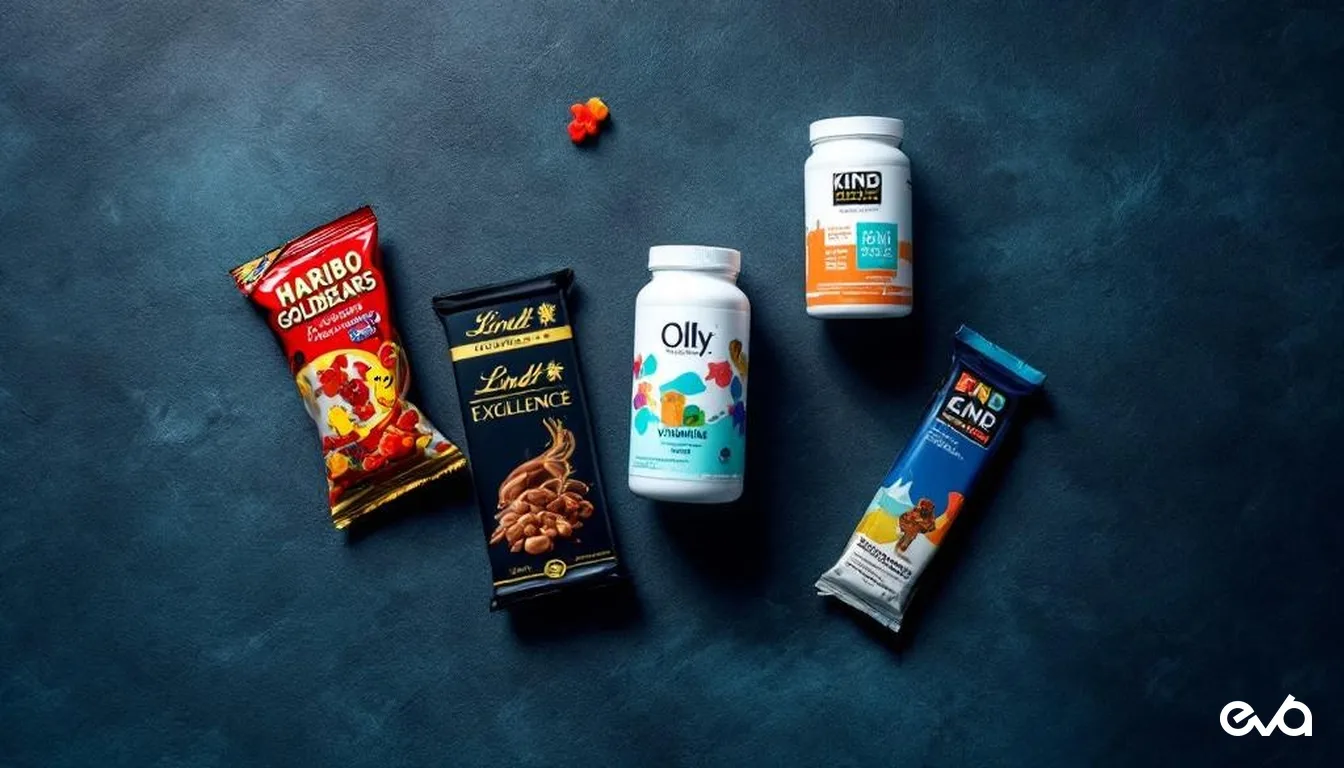
Key insight for CPG brands: If you manufacture pectin-based gummies instead of gelatin-based, you may qualify for year-round FBA. The reformulation cost is typically far less than one summer of FBM revenue loss.
The Amazon Meltable FBA Calendar: Every Key Date
The meltable season runs on a fixed annual calendar. Missing any of these dates — especially April 15 — has serious consequences for your FBA inventory and ranking.

| Date | Event | Action Required |
|---|---|---|
| ~March 1 | Amazon publishes updated meltable ASIN Excel list | Download and audit every ASIN immediately |
| ~April 1 | Amazon waives Low-Inventory-Level (LIL) fees | Reduce FBA stock without LIL penalty during transition |
| April 15 | FBA intake CLOSES for meltable products | Final shipment must physically arrive before this date |
| ~April 20 | Last practical day to submit removal orders | Submit immediately — removals take 2–3 weeks to execute |
| April 15–October 15 | FBA fully restricted for meltable products | All meltable SKU sales must be FBM during this window |
| ~July 23 | Fall PO deadline (85-day lead time) | Place purchase orders to arrive in FBA by October 16 |
| ~October 12 | Amazon reinstates Low-Inventory-Level fees | Maintain target FBA inventory levels again |
| October 16 | FBA intake REOPENS for meltable products | First fall shipments can now be received |
Common mistake: Many sellers still operate on the old May 1 cutoff. Amazon moved the FBA intake deadline forward to April 15 starting in 2024. Brands shipping based on outdated guidance miss the window entirely.
The 50-Day Expiration Rule: An Often-Missed Trap
Even after successfully shipping into FBA before April 15, there’s a second trigger most CPG brands overlook: Amazon’s 50-day expiration rule.
Amazon will not receive or fulfill products with fewer than 50 days remaining before their expiration date. For food, supplements, and edibles, this creates a compounding constraint on top of the meltable cutoff:
- If you ship gummies with a 12-month shelf life in late March, FBA check-in takes 7–10 days. The product must have ≥50 days from check-in date — not just ship date.
- Amazon auto-disposes products at FBA that fall within the 50-day window. Disposal is not reimbursable under standard policy.
- For seasonal meltable products that sit in FBA all winter, the 50-day rule can trigger auto-disposal of your last inventory right as you’re trying to sell through before April 15.
The 85-Day Lead Time Model: Planning Your FBA Inventory
To hit October 16 with product in FBA and ready to sell, CPG brands need to reverse-engineer from that date. Most brands underestimate transit time and miss the window.
| Stage | Duration (Days) | Notes |
|---|---|---|
| Production + Quality Control | 30 | Standard CPG run; allow 45+ for new formulations |
| Ocean freight (Asia → US West Coast) | 40 | 25 days sailing + 5 days port + 10 days customs/drayage |
| Domestic truck to FBA warehouse | 5 | West Coast direct; add 3–5 days for East Coast splits |
| FBA check-in and processing | 10 | Can extend to 14+ days during peak season |
| Total Lead Time | 85 days | Place PO by July 23 to land in FBA by October 16 |
- Fall season PO deadline: July 23 (to be in FBA by October 16)
- Spring season PO deadline: January 20 (to be in FBA by April 15)
- If production runs longer than 30 days, shift your PO date earlier by the same number of days
How to Check If Your ASIN Is Flagged as Meltable
Amazon publishes an updated Excel file around March 1 each year listing all meltable ASINs. In 2024, this list contained 58,964 ASINs. Many are incorrectly classified. To check your ASINs:
- Download Amazon’s annual meltable ASIN Excel file from Seller Central (available ~March 1 each year)
- Go to Seller Central → Inventory → Manage FBA Inventory and look for “Meltable” restriction tags
- Check the Inventory Health report for ASIN-level restrictions
- Contact Seller Support directly and request meltable status for specific ASINs
If your product is classified as meltable and you believe it shouldn’t be, pursue the 155°F exemption pathway described above. The dispute process works when documentation is solid.
FBM Strategy During the Restricted Season
For products that cannot qualify for the 155°F exemption, Fulfilled by Merchant during the restricted season is not just a backup — it’s a strategic capability that must be pre-built before April 15.
The Sales Impact of FBM vs. FBA
Switching to FBM typically causes a 30–50% sales decline compared to FBA. Contributing factors:
- Loss of the Prime badge, unless enrolled in Seller Fulfilled Prime (requires 1-day/2-day delivery SLA across most zip codes)
- Lower search placement — Amazon’s A9 algorithm favors Prime-eligible listings
- Consumer expectation of 2-day delivery makes 3–5 day FBM shipping less competitive
- Higher per-unit fulfillment cost that compresses margin if prices aren’t adjusted
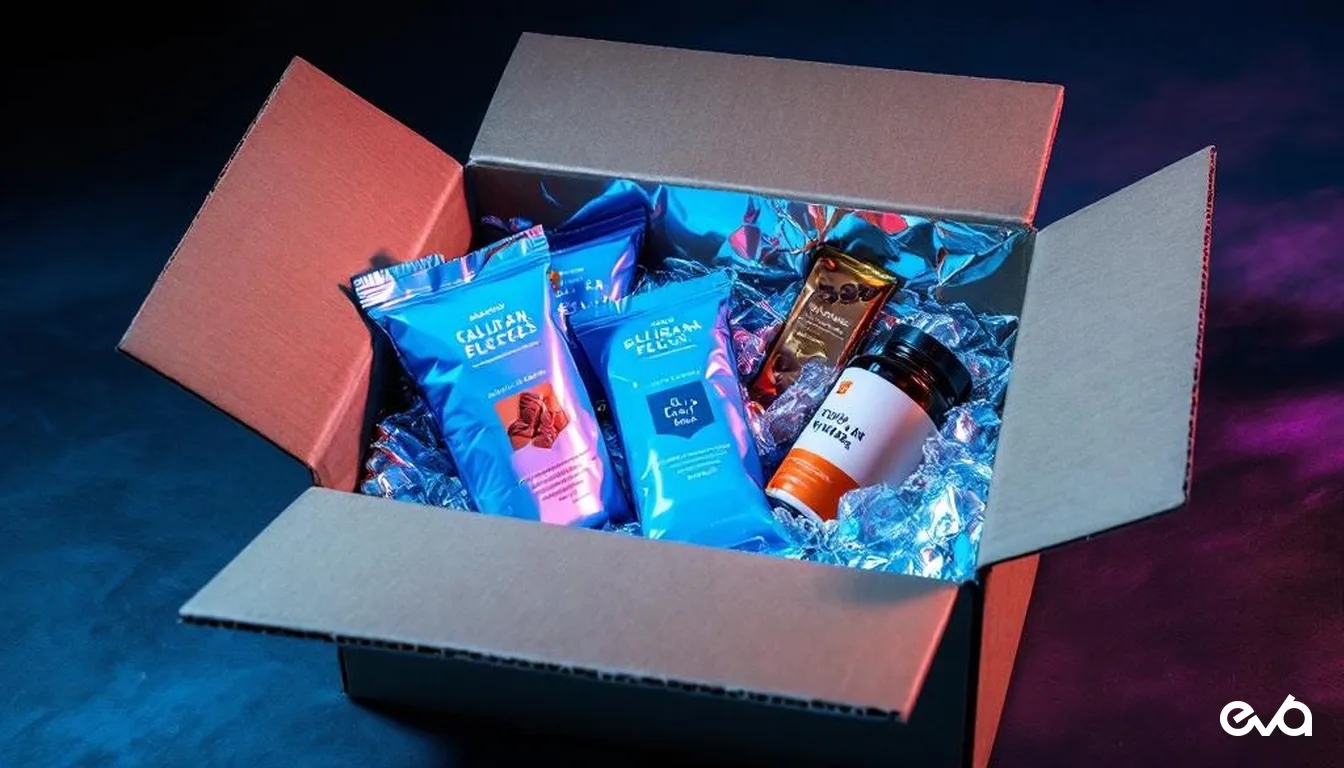
Cold-Chain FBM Packaging Requirements
| Element | Specification | Notes |
|---|---|---|
| Insulated box liner | Minimum 1.5″ EPS foam or reflective insulation | Mylar bubble wrap is lighter but provides less protection |
| Refrigerant | Dry ice (48–72 hr) or gel packs (24–48 hr) | Dry ice requires hazmat labeling; gel packs simpler for ground |
| Carton sizing | Minimize air space inside carton | More airspace → faster temperature rise in transit |
| Carrier choice | UPS or FedEx ground guarantee | Ship Monday–Wednesday only to avoid weekend delays |
| Pricing strategy | Price up 8–15% or absorb FBM cost increase | Premium SKUs can often pass through; commoditized SKUs usually can’t |
Building a Dual-Channel Annual Plan

The most successful CPG brands don’t treat the meltable restriction as an annual crisis — they build a dual-channel plan that makes Q2–Q3 consistently profitable despite the FBA restriction.
- October–March (FBA season): Maximize FBA inventory, run Sponsored Products aggressively, build reviews and ranking velocity
- January 20: Cut spring PO to land final FBA shipment before April 15
- February–March: Pre-build FBM fulfillment infrastructure (3PL contract, packaging supply, carrier accounts)
- April 1–15: Drain FBA inventory via promotions; submit removal orders for remaining stock
- April 15–October 15 (FBM season): Maintain listings as FBM, protect best-sellers with ad spend, reduce long-tail spend
- July 23: Cut fall PO to land in FBA by October 16
- October 16: Transition back to FBA, accelerate ads, maximize holiday Q4 position
Brands that execute this plan maintain 80–85% of their annual FBA revenue despite the restriction. Brands that don’t plan lose Q2–Q3 entirely and arrive at Q4 with a depleted ranking position.
Frequently Asked Questions: Amazon Meltable Products
What temperature makes a product meltable on Amazon?
Amazon classifies a product as meltable if it is susceptible to melting or deforming at 75°F (24°C) or above. This is the official threshold under the current FBA meltable policy.
When does Amazon stop accepting meltable products at FBA?
Amazon closes FBA intake for meltable products on April 15 each year. This was moved forward from the historical May 1 date starting in 2024. Shipments still in transit after April 15 will be refused at the receiving dock.
When does FBA reopen for meltable products?
FBA intake for meltable products reopens on October 16 each year, regardless of that year’s weather conditions.
Can I get my product exempted from the meltable classification?
Yes. Products that demonstrate heat stability up to 155°F (68°C) can be exempted. Submit a manufacturer’s letter or lab certification to Seller Support at the ASIN level. Allow 5–10 business days for review.
Are pectin gummies meltable on Amazon?
Pectin-based gummies have a melting point of approximately 170°F (77°C), which exceeds Amazon’s 155°F threshold. Properly formulated and lab-certified pectin gummies can qualify for the exemption and remain in FBA year-round. Gelatin-based gummies melt at 90–95°F and cannot qualify.
Are gelatin gummies meltable on Amazon?
Yes. Standard gelatin-based gummies melt at 90–95°F, well below Amazon’s 155°F exemption threshold. They are classified as meltable and cannot be stored in FBA from April 15 through October 15.
What happens to meltable products already in FBA when the season starts?
Amazon will not auto-dispose meltable products already at FBA when the restriction begins, but it will not fulfill them. You must submit a removal order. Removals take 2–3 weeks to execute. Submit by approximately April 20 to ensure inventory is returned in time.
What is the 50-day expiration rule for FBA meltable products?
Amazon will not receive or fulfill products within 50 days of their expiration date. For seasonal CPG products this compounds with the meltable cutoff: products expiring before early June cannot be restocked in April. Amazon auto-disposes products that hit the 50-day window, and disposal is not reimbursable.
How many ASINs are flagged as meltable on Amazon?
As of 2024, Amazon’s meltable ASIN database contains approximately 58,964 ASINs. Many are incorrectly classified. Amazon publishes an updated Excel list around March 1 each year.
How much does switching to FBM hurt Amazon sales?
Switching from FBA to FBM typically reduces sales by 30–50% due to loss of the Prime badge and lower search placement. Seller Fulfilled Prime can reduce this impact significantly if your 3PL meets 1-day/2-day delivery SLAs.
When should I place my fall PO to have meltable products in FBA by October 16?
Using the 85-day lead time model (30-day production + 40-day ocean freight + 5-day truck + 10-day FBA check-in), your fall PO should be placed by approximately July 23. Domestic manufacturers can place orders as late as mid-September.
What is Seller Fulfilled Prime and does it help meltable product brands?
Seller Fulfilled Prime (SFP) allows approved sellers to display the Prime badge while fulfilling from their own warehouse or 3PL. It requires 1-day and 2-day delivery SLAs across most US zip codes. For meltable product brands with SFP, the Prime badge is maintained during the FBM season, significantly reducing the 30–50% sales impact. SFP requires demonstrated performance history and Amazon approval.
The Bottom Line for CPG Sweet Snack and Supplement Brands
The Amazon meltable policy is not going away. For CPG sweet snack and supplement brands, the question isn’t whether the restriction affects you — it’s whether you have a plan that captures Q4 and Q1 FBA velocity while protecting Q2–Q3 with a pre-built FBM capability.
The brands that win pursue the 155°F exemption for every qualifying product, build the 85-day planning model into their production calendar, invest in FBM infrastructure before April 15, and use the summer months to build the ranking and reviews that power the Q4 ramp.
Eva Commerce partners with CPG brands across Amazon and Shopify to build connected growth systems — including seasonal meltable strategy, FBA inventory planning, and FBM 3PL setup. If you want to build a meltable plan that actually holds up, talk to our team.