Amazon captures intent
Category search, familiar checkout, reviews, Prime convenience, and marketplace-native subscriptions help convert shoppers who already know what they need.
Connected Commerce Supplement Strategy
A connected operating model that uses Amazon for high-intent discovery, Shopify for education and retention, and Meta and Google to send each shopper to the destination most likely to earn the next profitable order.

The opportunity
Pink Stork serves women across fertility, prenatal, postpartum, and everyday wellness categories. The strategic opportunity is not to force every shopper into one channel. It is to connect the channels so that marketplace trust, brand education, paid demand, and subscriptions compound instead of operating as separate businesses.
Category search, familiar checkout, reviews, Prime convenience, and marketplace-native subscriptions help convert shoppers who already know what they need.
Education, bundles, flexible delivery, subscriber experiences, and first-party lifecycle marketing give the brand more ways to deepen a customer relationship.
Meta and Google campaigns can direct shoppers to Amazon or Shopify based on intent, economics, inventory, landing-page fit, and the role of each campaign.
A brand built for every season
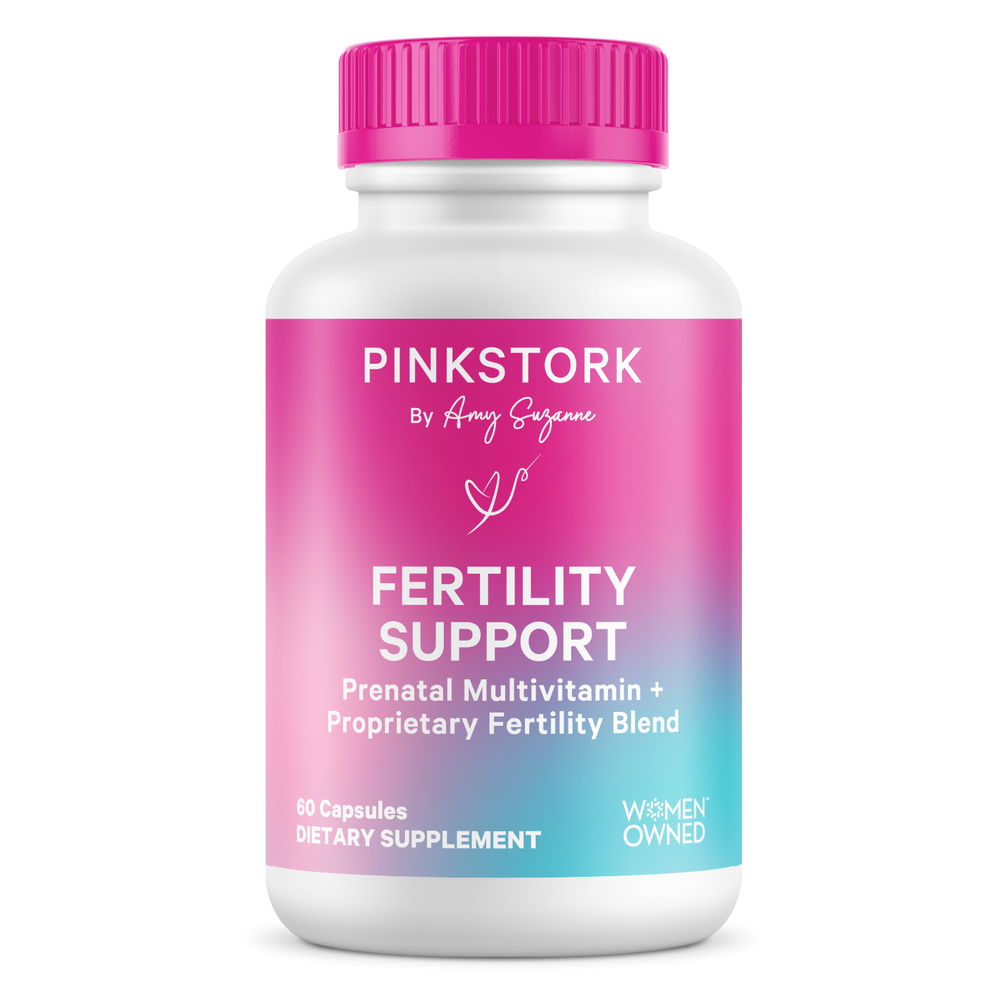
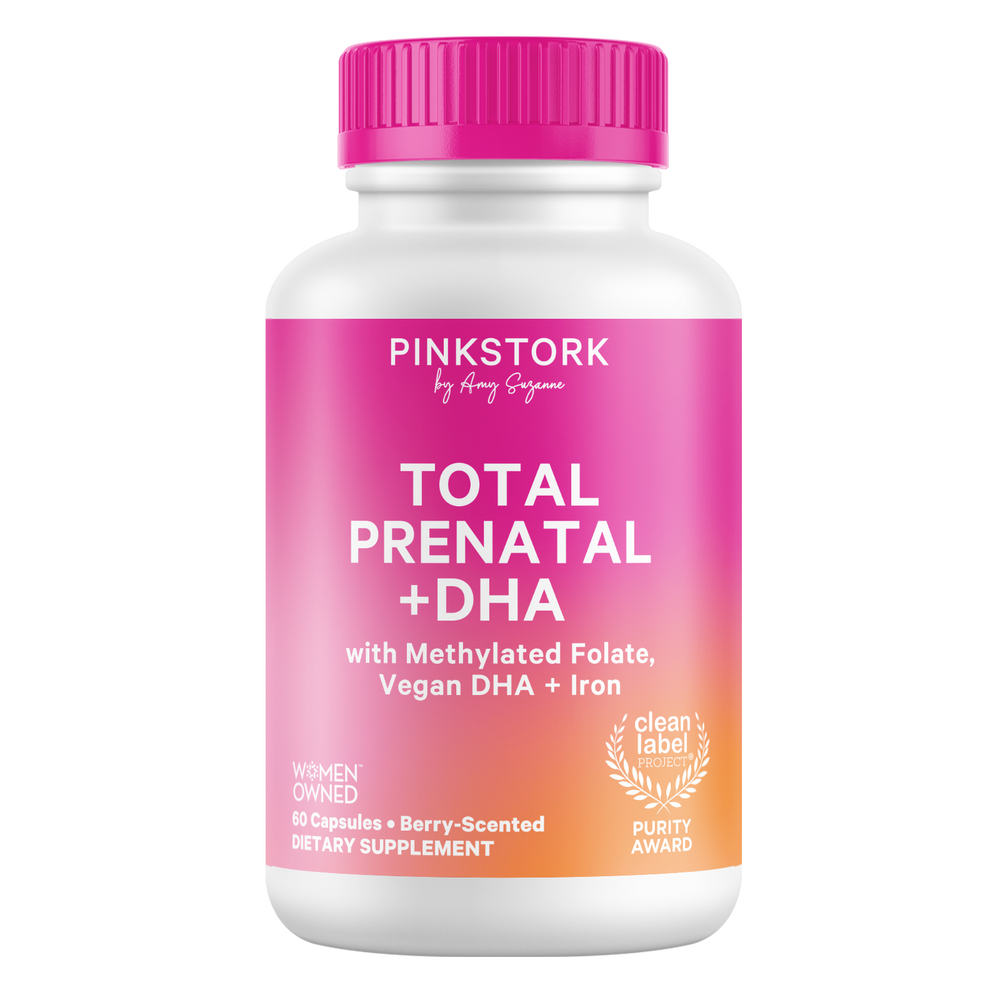
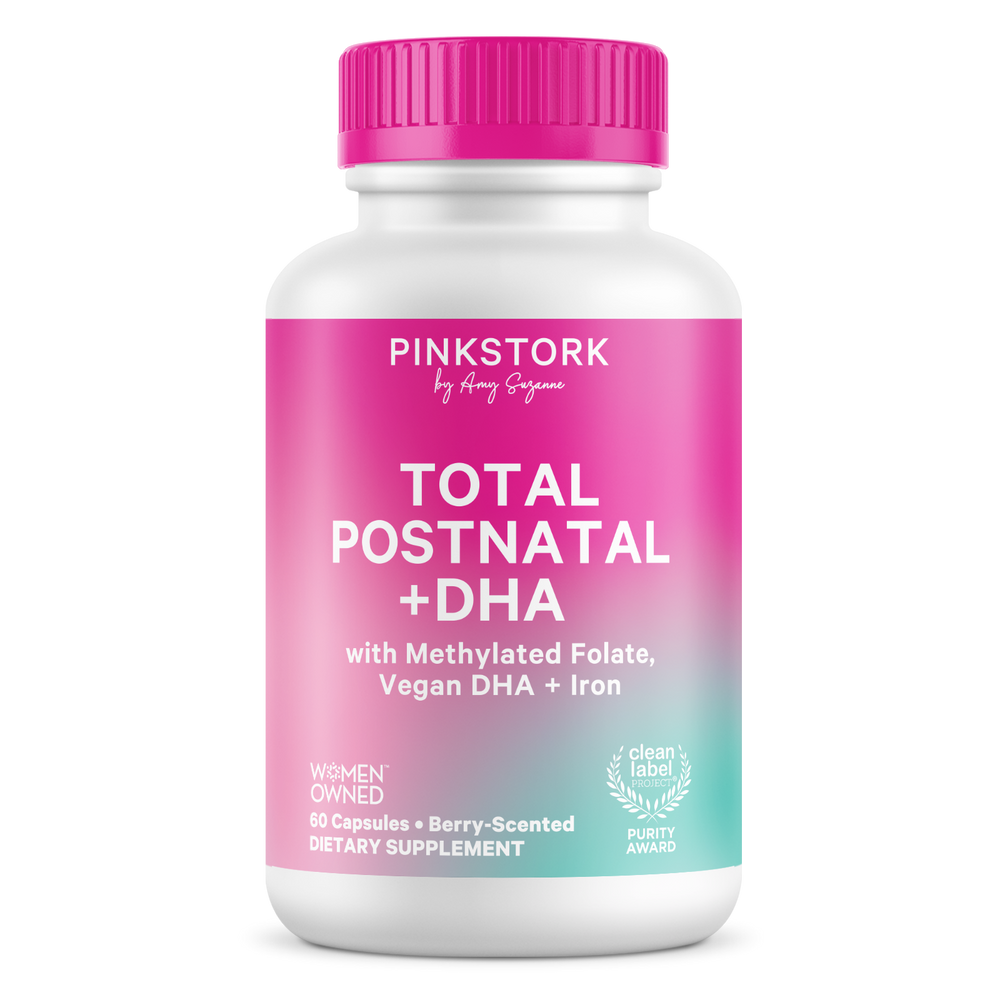
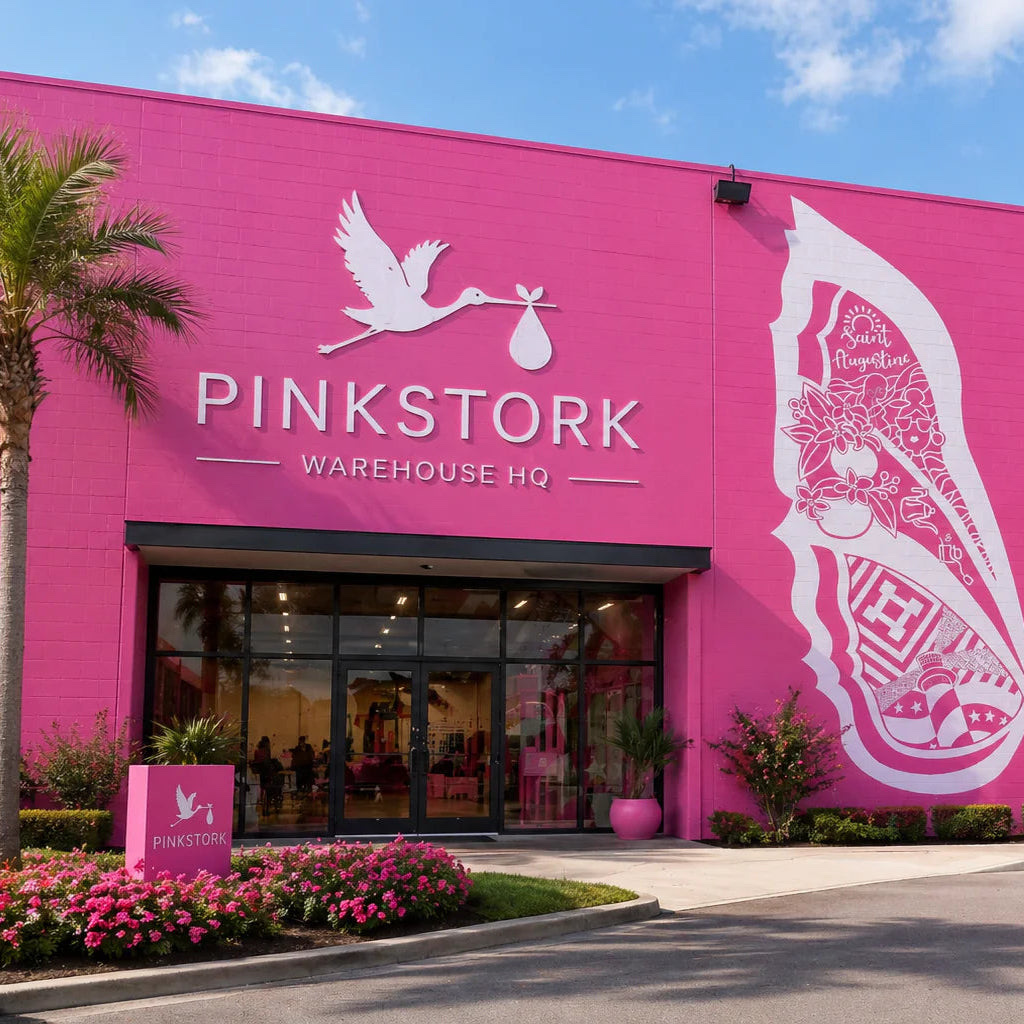
Pink Stork’s distinctive visual identity stretches across important customer seasons. The channel strategy should preserve that brand consistency while giving each product the right acquisition, education, replenishment, and subscription path.
Pink Stork on TikTok
Real content from Pink Stork’s official TikTok shows how product education, community, humor, and operational moments can create demand before a shopper reaches Amazon or Shopify.
The Eva approach
The destination is a strategy decision—not a default setting. Each campaign should be designed around the customer’s intent and the contribution economics of the order.
90-day execution roadmap
The first 90 days establish the economics, activate the connected system, and then scale the combinations of audience, product, destination, and subscription offer that create the strongest customer value.
Create one commercial baseline across Amazon, Shopify, paid media, subscriptions, and inventory.
Launch coordinated programs that give each channel a clear role in acquisition and retention.
Use shared performance signals to move investment toward profitable growth and repeat purchase.
The subscription flywheel
Use Meta and Google to introduce the brand, answer category questions, and capture high-intent searches.
Route each campaign to Amazon or Shopify according to the shopper’s need, friction, and expected contribution.
Make marketplace and direct subscriptions easy to understand, flexible, and aligned with natural replenishment.
Give customers legitimate reasons to choose Shopify over time—such as bundles, flexible cadence, loyalty, and richer brand education.
The model does not assume that Amazon subscribers can be silently transferred to Shopify. Any movement must be customer-initiated, policy-compliant, and driven by a genuinely better direct experience—not by restricted marketplace data or misleading incentives.
Results and measurement
The scorecard keeps every channel accountable to profitable growth, repeat purchase, and customer value—without allowing any one platform’s vanity metrics to dominate the operating plan.
Strategic insight
Amazon can introduce and convert. Shopify can educate and retain. Meta and Google can create and route demand. When the teams, measurement, inventory, and subscription strategy operate from one plan, every channel has a chance to make the others stronger.
Talk with a senior Eva operator about paid demand, conversion, subscriptions, marketplace operations, and the measurement model that connects them.