Table of Contents
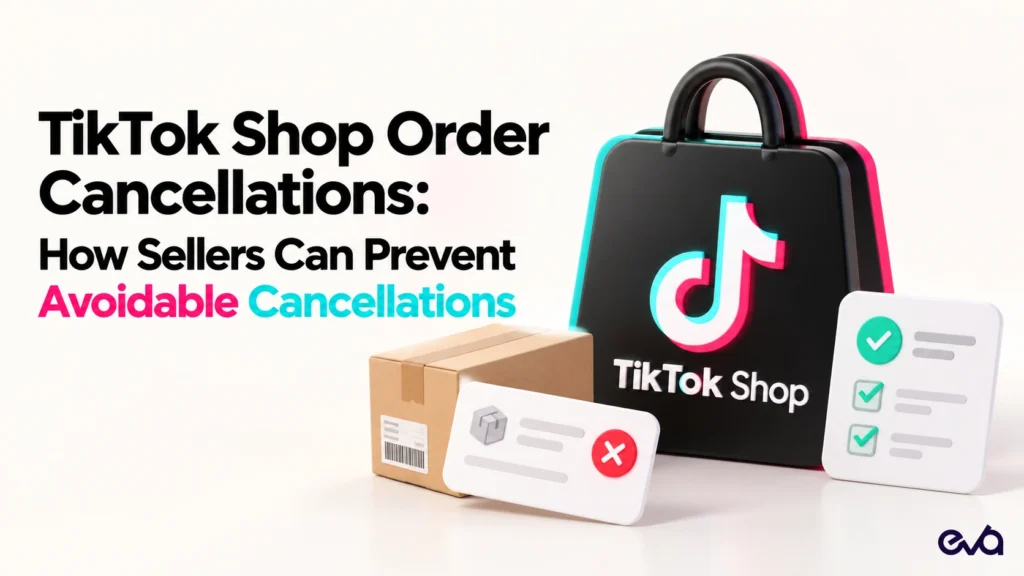
TikTok Shop Order Cancellations: How Sellers Can Prevent Avoidable Cancellations
Order cancellations are a normal part of ecommerce, but a repeated pattern can signal a preventable problem in inventory, product information, shipping expectations, customer communication, or order operations. A useful TikTok Shop cancellation process protects the customer experience while helping the brand understand what needs to change upstream.
This guide explains how brands can diagnose cancellation requests and reduce avoidable cancellations without promising that every order can be saved. Platform options and policies can change, so teams should confirm current workflows in TikTok Shop Seller Center before applying a process.
Quick answer
Prevent avoidable TikTok Shop cancellations by checking order facts, inventory, fulfillment status, and customer expectations before acting.
| Cancellation signal | First operational check |
|---|---|
| Buyer request | Order status and customer message |
| Operational exception | Inventory, address, and fulfillment evidence |
For current platform workflows, consult the official TikTok Shop Seller Center.
Prevention workflow
1. Understand the cancellation request
Start with the facts: order timing, payment and fulfillment status, SKU, inventory state, delivery destination, customer message, and the action already taken by the team. Do not make an assumption from one data point. A cancellation may be customer-led, but it can also reveal a mismatch between what the listing promised and what operations can deliver.
Create a simple decision record for each meaningful case. Note the reason, evidence, owner, customer outcome, and follow-up task. This creates a reliable handoff between customer service, catalog, warehouse, finance, and marketing teams. It also stops the same issue from being rediscovered in separate inboxes.
Use precise customer language. Explain what is known, what will happen next, and when the customer should expect an update. Avoid blaming the customer, warehouse, carrier, or platform before the evidence is clear. A calm and accurate response can preserve trust even when an order cannot proceed.
2. Check order status before acting
Start with the facts: order timing, payment and fulfillment status, SKU, inventory state, delivery destination, customer message, and the action already taken by the team. Do not make an assumption from one data point. A cancellation may be customer-led, but it can also reveal a mismatch between what the listing promised and what operations can deliver.
Create a simple decision record for each meaningful case. Note the reason, evidence, owner, customer outcome, and follow-up task. This creates a reliable handoff between customer service, catalog, warehouse, finance, and marketing teams. It also stops the same issue from being rediscovered in separate inboxes.
Use precise customer language. Explain what is known, what will happen next, and when the customer should expect an update. Avoid blaming the customer, warehouse, carrier, or platform before the evidence is clear. A calm and accurate response can preserve trust even when an order cannot proceed.
3. Separate buyer choice from operational causes
Start with the facts: order timing, payment and fulfillment status, SKU, inventory state, delivery destination, customer message, and the action already taken by the team. Do not make an assumption from one data point. A cancellation may be customer-led, but it can also reveal a mismatch between what the listing promised and what operations can deliver.
Create a simple decision record for each meaningful case. Note the reason, evidence, owner, customer outcome, and follow-up task. This creates a reliable handoff between customer service, catalog, warehouse, finance, and marketing teams. It also stops the same issue from being rediscovered in separate inboxes.
Use precise customer language. Explain what is known, what will happen next, and when the customer should expect an update. Avoid blaming the customer, warehouse, carrier, or platform before the evidence is clear. A calm and accurate response can preserve trust even when an order cannot proceed.
4. Confirm inventory and product availability
Start with the facts: order timing, payment and fulfillment status, SKU, inventory state, delivery destination, customer message, and the action already taken by the team. Do not make an assumption from one data point. A cancellation may be customer-led, but it can also reveal a mismatch between what the listing promised and what operations can deliver.
Create a simple decision record for each meaningful case. Note the reason, evidence, owner, customer outcome, and follow-up task. This creates a reliable handoff between customer service, catalog, warehouse, finance, and marketing teams. It also stops the same issue from being rediscovered in separate inboxes.
Use precise customer language. Explain what is known, what will happen next, and when the customer should expect an update. Avoid blaming the customer, warehouse, carrier, or platform before the evidence is clear. A calm and accurate response can preserve trust even when an order cannot proceed.
5. Review address and fulfillment information
Start with the facts: order timing, payment and fulfillment status, SKU, inventory state, delivery destination, customer message, and the action already taken by the team. Do not make an assumption from one data point. A cancellation may be customer-led, but it can also reveal a mismatch between what the listing promised and what operations can deliver.
Create a simple decision record for each meaningful case. Note the reason, evidence, owner, customer outcome, and follow-up task. This creates a reliable handoff between customer service, catalog, warehouse, finance, and marketing teams. It also stops the same issue from being rediscovered in separate inboxes.
Use precise customer language. Explain what is known, what will happen next, and when the customer should expect an update. Avoid blaming the customer, warehouse, carrier, or platform before the evidence is clear. A calm and accurate response can preserve trust even when an order cannot proceed.
6. Set clear customer communication
Start with the facts: order timing, payment and fulfillment status, SKU, inventory state, delivery destination, customer message, and the action already taken by the team. Do not make an assumption from one data point. A cancellation may be customer-led, but it can also reveal a mismatch between what the listing promised and what operations can deliver.
Create a simple decision record for each meaningful case. Note the reason, evidence, owner, customer outcome, and follow-up task. This creates a reliable handoff between customer service, catalog, warehouse, finance, and marketing teams. It also stops the same issue from being rediscovered in separate inboxes.
Use precise customer language. Explain what is known, what will happen next, and when the customer should expect an update. Avoid blaming the customer, warehouse, carrier, or platform before the evidence is clear. A calm and accurate response can preserve trust even when an order cannot proceed.
7. Protect the shipping handoff
Start with the facts: order timing, payment and fulfillment status, SKU, inventory state, delivery destination, customer message, and the action already taken by the team. Do not make an assumption from one data point. A cancellation may be customer-led, but it can also reveal a mismatch between what the listing promised and what operations can deliver.
Create a simple decision record for each meaningful case. Note the reason, evidence, owner, customer outcome, and follow-up task. This creates a reliable handoff between customer service, catalog, warehouse, finance, and marketing teams. It also stops the same issue from being rediscovered in separate inboxes.
Use precise customer language. Explain what is known, what will happen next, and when the customer should expect an update. Avoid blaming the customer, warehouse, carrier, or platform before the evidence is clear. A calm and accurate response can preserve trust even when an order cannot proceed.
8. Handle refunds and cancellations as separate decisions
Start with the facts: order timing, payment and fulfillment status, SKU, inventory state, delivery destination, customer message, and the action already taken by the team. Do not make an assumption from one data point. A cancellation may be customer-led, but it can also reveal a mismatch between what the listing promised and what operations can deliver.
Create a simple decision record for each meaningful case. Note the reason, evidence, owner, customer outcome, and follow-up task. This creates a reliable handoff between customer service, catalog, warehouse, finance, and marketing teams. It also stops the same issue from being rediscovered in separate inboxes.
Use precise customer language. Explain what is known, what will happen next, and when the customer should expect an update. Avoid blaming the customer, warehouse, carrier, or platform before the evidence is clear. A calm and accurate response can preserve trust even when an order cannot proceed.
9. Log reason codes consistently
Start with the facts: order timing, payment and fulfillment status, SKU, inventory state, delivery destination, customer message, and the action already taken by the team. Do not make an assumption from one data point. A cancellation may be customer-led, but it can also reveal a mismatch between what the listing promised and what operations can deliver.
Create a simple decision record for each meaningful case. Note the reason, evidence, owner, customer outcome, and follow-up task. This creates a reliable handoff between customer service, catalog, warehouse, finance, and marketing teams. It also stops the same issue from being rediscovered in separate inboxes.
Use precise customer language. Explain what is known, what will happen next, and when the customer should expect an update. Avoid blaming the customer, warehouse, carrier, or platform before the evidence is clear. A calm and accurate response can preserve trust even when an order cannot proceed.
10. Review product-page expectation gaps
Start with the facts: order timing, payment and fulfillment status, SKU, inventory state, delivery destination, customer message, and the action already taken by the team. Do not make an assumption from one data point. A cancellation may be customer-led, but it can also reveal a mismatch between what the listing promised and what operations can deliver.
Create a simple decision record for each meaningful case. Note the reason, evidence, owner, customer outcome, and follow-up task. This creates a reliable handoff between customer service, catalog, warehouse, finance, and marketing teams. It also stops the same issue from being rediscovered in separate inboxes.
Use precise customer language. Explain what is known, what will happen next, and when the customer should expect an update. Avoid blaming the customer, warehouse, carrier, or platform before the evidence is clear. A calm and accurate response can preserve trust even when an order cannot proceed.
11. Watch cancellation patterns by SKU and channel
Start with the facts: order timing, payment and fulfillment status, SKU, inventory state, delivery destination, customer message, and the action already taken by the team. Do not make an assumption from one data point. A cancellation may be customer-led, but it can also reveal a mismatch between what the listing promised and what operations can deliver.
Create a simple decision record for each meaningful case. Note the reason, evidence, owner, customer outcome, and follow-up task. This creates a reliable handoff between customer service, catalog, warehouse, finance, and marketing teams. It also stops the same issue from being rediscovered in separate inboxes.
Use precise customer language. Explain what is known, what will happen next, and when the customer should expect an update. Avoid blaming the customer, warehouse, carrier, or platform before the evidence is clear. A calm and accurate response can preserve trust even when an order cannot proceed.
12. Build a weekly prevention routine
Start with the facts: order timing, payment and fulfillment status, SKU, inventory state, delivery destination, customer message, and the action already taken by the team. Do not make an assumption from one data point. A cancellation may be customer-led, but it can also reveal a mismatch between what the listing promised and what operations can deliver.
Create a simple decision record for each meaningful case. Note the reason, evidence, owner, customer outcome, and follow-up task. This creates a reliable handoff between customer service, catalog, warehouse, finance, and marketing teams. It also stops the same issue from being rediscovered in separate inboxes.
Use precise customer language. Explain what is known, what will happen next, and when the customer should expect an update. Avoid blaming the customer, warehouse, carrier, or platform before the evidence is clear. A calm and accurate response can preserve trust even when an order cannot proceed.
What to fix first
Prioritize problems that affect many orders or create a clear customer-impact risk: incorrect inventory, an unavailable product, misleading delivery expectations, recurring address errors, or an unclear cancellation workflow. Track changes over completed periods and avoid declaring a cause from a short window.
Frequently asked questions
Why do TikTok Shop orders get cancelled?
An order can be cancelled for many reasons, including buyer choice, inventory availability, fulfillment constraints, address issues, product-information gaps, or operational exceptions. Review the order record before assigning a cause.
How can sellers reduce TikTok Shop cancellations?
Improve inventory accuracy, product-page clarity, delivery expectations, customer communication, and cross-team order handling. Reason-code data helps teams identify which improvement should come first.