Chicken of the Sea in motion
Chicken of the Sea
Retail Media + Operations case study
Chicken of the Sea International Recovered Hidden Vendor Funds While Scaling Full-Funnel Amazon Advertising
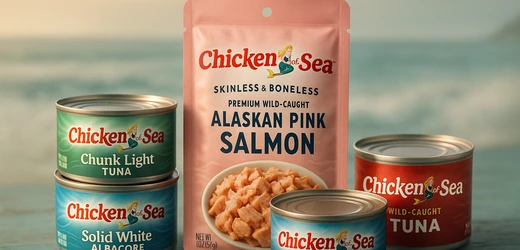
Chicken of the Sea International is the #1 selling canned tuna brand in the United States and a subsidiary of Thai Union Group, one of the world’s largest seafood companies. The brand operates as an Amazon Vendor (1P), selling direct to Amazon at scale across canned tuna, salmon, and specialty seafood SKUs. With a national retail footprint and category-dominant awareness, Chicken of the Sea’s Amazon channel demands both operational precision and strategic advertising execution. Eva Commerce has been their Amazon growth partner since January 2025.
 CPG
CPGThe opportunity
Turn channel activity into one connected growth system
Chicken of the Sea International is the #1 selling canned tuna brand in the United States and a subsidiary of Thai Union Group, one of the world’s largest seafood companies. The brand operates as an Amazon Vendor (1P), selling direct to Amazon at scale across canned tuna, salmon, and specialty seafood SKUs. With a national retail footprint and category-dominant awareness, Chicken of the Sea’s Amazon channel demands both operational precision and strategic advertising execution. Eva Commerce has been their Amazon growth partner since January 2025.
Chicken of the Sea International is the #1 selling canned tuna brand in the United States and a subsidiary of Thai Union Group, one of the world’s largest seafood companies. The brand operates as an Amazon Vendor (1P), selling direct to Amazon at scale across canned tuna, salmon, and specialty seafood SKUs. With a national retail footprint and category-dominant awareness, Chicken of the Sea’s Amazon channel demands both operational precision and strategic advertising execution. Eva Commerce has been their Amazon growth partner since January 2025.
The situation
The operating challenge behind the growth opportunity
- Core issue: Revenue was eroding at the line-item level — without a system to stop it.
A brand doing millions per month on Amazon is not immune to systematic revenue leakage — it is often more exposed to it. Chicken of the Sea’s scale as a 1P Vendor brought with it a corresponding scale of Vendor Central complexity:
- Shortage claims and co-op deductions accumulating across billing periods without systematic dispute
- Compliance fees and chargeback notices processed by Amazon without a dedicated recovery workflow
- No unified advertising system connecting upper-funnel awareness to in-category conversion
- Branded search terms exposed to competitor conquesting in the protein and seafood category
- DSP and Sponsored campaigns running without integrated demand signal feedback
Eva’s engagement with Chicken of the Sea is built on two integrated services: a systematic Vendor Funds Recovery program and a unified advertising system spanning PPC and DSP.
Chicken of the Sea on TikTok
The brand voice in motion
Three videos from the official brand account show how product storytelling and social discovery create demand before shoppers reach a marketplace or brand storefront.
Chicken of the Sea in motion
Chicken of the Sea in motion
The Eva approach
One plan, clear priorities, and shared performance signals
Vendor Funds Recovery Audit
- Line-by-line review of shortage claims, co-op deductions, and compliance fees
- Dispute filing against invalid chargebacks with supporting purchase order documentation
- Ongoing monitoring cadence to catch new deductions within dispute windows
- Recovery workflow calibrated to Amazon’s Vendor dispute resolution timelines
Result: Over $500,000 recovered in Vendor funds.
Sponsored Products — In-Category Dominance
- Keyword architecture segmented by tuna, salmon, and seafood sub-categories
- Bid management aligned to contribution margin targets, not ROAS averages
- Auto campaign harvest feeding exact-match expansion on a rolling basis
Shift: From broad keyword coverage to category-intent keyword architecture
Sponsored Brands & Display — Branded Defense
- Branded campaigns defending Chicken of the Sea’s own search terms against competitor bids
- Video and headline ad units driving traffic to the brand Storefront
- Category headline placements reinforcing brand authority at top of seafood search results
Shift: From undefended branded terms to active conquest-defense campaigns
DSP & Unified Reporting — Full-Funnel Reach
- DSP campaigns targeting in-market grocery and seafood audiences across Amazon and third-party inventory
- Retargeting sequences re-engaging product detail page visitors and past purchasers
- PPC and DSP performance consolidated into a single reporting view
- Monthly strategy reviews aligned to Vendor sales velocity and inventory status
Shift: From isolated campaigns to an integrated full-funnel advertising system
90-day execution roadmap
From fragmented execution to one operating cadence
The first 90 days establish the baseline, activate the connected system, and scale the combinations that improve recovery + growth.
Build the foundation
Create one commercial baseline across Amazon Vendor Central.
- Map product and channel economics
- Audit conversion, demand, and inventory
- Align the operating scorecard
Activate the system
Implement the highest-value initiatives documented in the Eva approach.
- Connect channel signals and decisions
- Improve conversion and demand capture
- Coordinate content, media, and operations
Scale what compounds
Move investment toward the products, audiences, and channels producing the strongest business result.
- Reallocate toward winning combinations
- Protect margin and availability
- Build the next optimization cycle
Results and measurement
The scorecard that connects growth to business impact
Verified outcomes and operating signals already documented in the original case study, organized into one consistent scorecard.
The outcome
What the connected system changed
Chicken of the Sea’s Amazon channel now operates on a unified system where deduction recovery protects margin and advertising investment compounds returns across the purchase funnel.
Before and after
Before Eva
- Shortage claims and co-op deductions processed by Amazon without systematic dispute
- Compliance chargebacks accepted as a cost of doing business at scale
- Advertising campaigns running without a unified demand signal framework
- Branded search terms partially exposed to competitor bids
- No integrated view of PPC and DSP performance against Vendor sales velocity
After Eva
- Full Vendor Central deduction audit with active dispute and recovery workflow
- $500K+ in recovered funds returned to the brand
- Sponsored Products, Brands, Display, and DSP operating as a unified system
- Branded search terms defended with dedicated conquest-defense campaigns
- Monthly reporting integrating advertising performance with Vendor sales and inventory data
“Managing Vendor Central deductions at the volume Chicken of the Sea operates meant that a significant amount of money was effectively leaving the business without anyone contesting it. The problem wasn’t negligence — it was that the process Amazon uses to generate these claims is designed to move faster than a brand’s internal team can respond. Eva brought a structured, methodical approach that surfaced claims we hadn’t flagged ourselves and built a recovery process that actually closes the loop. The financial impact has been material. What made the relationship stand out is that the recovery work and the advertising work aren’t treated as separate engagements — they’re designed to work together, and we can see that in the results.”
Andrew Thomas
VP of Marketing, Chicken of the Sea International
Amazon growth is not ad spend
It is a system where ranking, demand generation, and conversion work together to scale profitably
Strategic insight
Growth compounds when every channel has a clear job
The hidden cost of Vendor chargebacks is not the individual claim — it is the organizational decision to accept them as routine.
- Chargeback volume increases with brand scale
- Recovery rate declines without a structured dispute workflow
- Net margin erodes silently across billing cycles
Build one connected commerce growth system
Talk with a senior Eva operator about marketplace growth, paid demand, conversion, operations, and the measurement system that connects them.
Explore Amazon Marketplace Management and Shopify Management.