Pet subscription retention works when the brand understands the rhythm of the household. A customer is not subscribing to a billing plan; they are trying to avoid running out of something their pet depends on.
That difference changes the operating model. A good pet subscription program has to respect pet size, usage speed, flavor preference, life stage, household count, shipping expectations, and the owner’s tolerance for risk. If the program ignores those details, customers pause, skip, cancel, or buy somewhere else when they need the product urgently.
Table of Contents
- What pet subscription retention should accomplish
- Find the right products for subscription
- Use onboarding to personalize cadence
- Make subscription management easy
- Connect subscription pages to Shopify SEO
- Measure churn by reason, not only rate
- Pet subscription retention checklist
- Design subscription cadence around the pet, not the calendar
- Use lifecycle messaging to reduce uncertainty
- Make save, skip, swap, and pause easier than cancel
- Connect retention to contribution margin
- Final takeaway
What pet subscription retention should accomplish
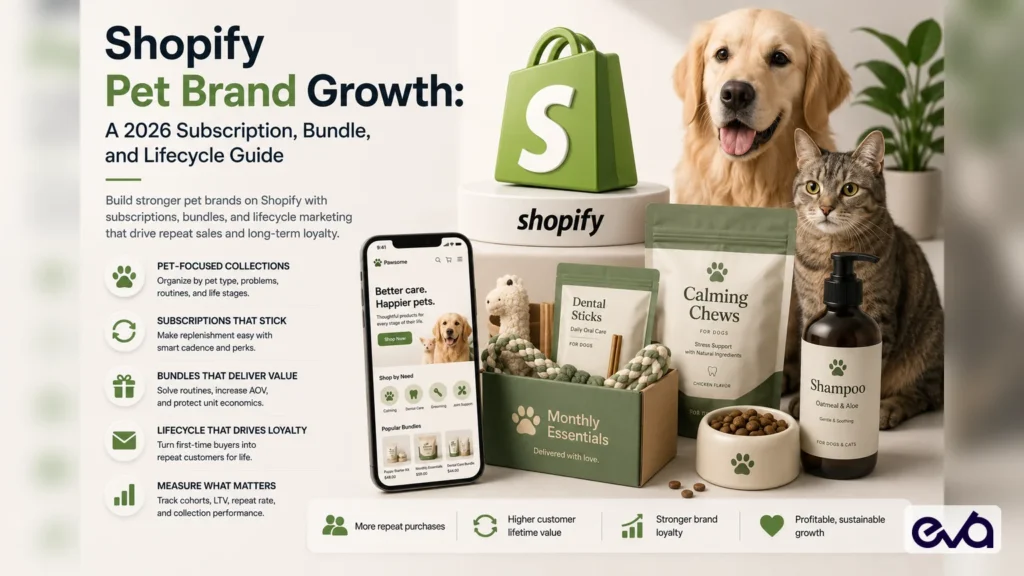
The goal is not simply to increase the percentage of orders on subscription. The goal is to make replenishment easier while protecting margin and trust. Strong retention gives the customer control, reminds them at the right time, and uses lifecycle messaging to reduce uncertainty.
A pet food brand, a dental chew brand, a supplement brand, and a litter brand should not use the same subscription cadence. The product category determines the refill logic. The pet’s size and household context refine it.
Find the right products for subscription
Subscription fit is strongest when usage is predictable. Food, treats, supplements, litter, dental products, grooming refills, flea and tick products, and waste bags are natural candidates. Toys and accessories may still work, but often through curated bundles, seasonal boxes, or replacement reminders rather than a simple monthly reorder.
| Pet product | Subscription angle | Main retention risk |
|---|---|---|
| Dog food or cat food | Never run out of a routine product | Wrong cadence or stockouts |
| Pet supplements | Support a daily wellness routine | Weak education or slow perceived value |
| Grooming refills | Keep care supplies available | Low urgency after first purchase |
| Treats | Convenience and variety | Flavor fatigue |
Use onboarding to personalize cadence
The first subscription experience should collect enough information to make the next delivery feel intentional. Pet type, age, size, breed, household count, flavor preference, and current usage can all help, but the form should stay practical. Ask for the signals that actually change cadence, bundle recommendations, or product education.
For example, a 70-pound dog may use dental chews at a different rate than a 12-pound dog. A two-cat household may need litter sooner than a single-cat household. A puppy owner may need different messaging than a senior-dog owner. Retention improves when the brand makes those differences visible.
Make subscription management easy
Pet owners cancel when they feel trapped. A strong subscription experience makes skip, pause, swap, quantity change, delivery-date change, and cancellation clear. The goal is to save the relationship before it becomes a support ticket.
Brands should also make product education easy to find. If a customer is unsure about dosage, storage, feeding instructions, ingredient safety, or transition timing, lifecycle content should answer the question before cancellation happens.
Connect subscription pages to Shopify SEO
Shopify pet brands often hide subscription value inside product pages. A stronger approach is to connect collection pages, product education, subscription FAQs, and internal links. Searchers may look for “dog supplement subscription,” “cat food delivery,” “pet grooming refill,” or “monthly dog treats.” Those searches need clear landing paths.
Eva’s Shopify SEO guide and Shopify search and discovery optimization guide show how collection structure and internal links can support conversion instead of only rankings.
Measure churn by reason, not only rate
A churn rate tells you something happened. A churn reason tells you what to fix. Pet subscription programs should separate cancellation reasons such as too much product, too little product, pet did not like it, price sensitivity, delivery issue, product confusion, switching brands, and no longer needed.
Those reasons should feed product development, PDP copy, lifecycle messaging, bundle design, and advertising targeting. If many customers cancel because the product arrives too quickly, the issue is cadence. If they cancel after one order because the benefit is unclear, the issue may be education or expectation setting.
Pet subscription retention checklist
- Choose subscription products based on real replenishment behavior.
- Capture pet size, household count, and usage signals when they change cadence.
- Make skip, swap, pause, and delivery editing easy.
- Build lifecycle flows around refill timing and pet-owner questions.
- Measure subscription contribution after discounts, shipping, and support.
- Review churn reasons monthly and turn them into product or content updates.
Final takeaway
Pet subscription retention is strongest when it feels like a helpful service, not a discount trap. Brands that connect cadence, education, customer support, and margin discipline can build more durable recurring revenue.