Quick answer (2026): the right private label clothing manufacturer is not the one with the lowest quote. It is the one that matches your margin target, MOQ tolerance, lead-time plan, and compliance requirements. Most Amazon-first brands should start with a supplier that can reliably produce 600-2,000 units per SKU, pass basic quality and social-compliance checks, and commit to clear replenishment windows before scaling ad spend.
If you are launching or scaling an apparel brand on Amazon, this guide gives you an operator-first playbook you can apply immediately. We cover supplier vetting, MOQ and margin math, compliance checkpoints, and a launch checklist that connects manufacturing decisions to ranking and profitability outcomes.
Table of Contents
- What Private Label Clothing Manufacturing Means in 2026
- How to Vet Private Label Clothing Manufacturers
- MOQ, Lead Time, and Margin Math Before You Place a PO
- Compliance and Quality Workflow That Protects Your Brand
- Supplier Comparison by Business Stage
- Launch Checklist for Amazon Apparel Private Label Brands
- Common Mistakes When Choosing a Private Label Clothing Manufacturer
- Final Takeaway
- FAQs
What Private Label Clothing Manufacturing Means in 2026
Private label clothing manufacturing means a factory produces garments to your specifications, while your brand owns packaging, positioning, and customer relationship. In 2026, success is less about finding one factory and more about building a repeatable production system: target margin, quality thresholds, replenishment speed, and clear accountability for defects and delays.
Amazon sellers who scale profitably treat manufacturing as a growth lever, not a procurement task. If your supplier model breaks, your ad efficiency, ranking stability, and inventory health break with it.
How to Vet Private Label Clothing Manufacturers
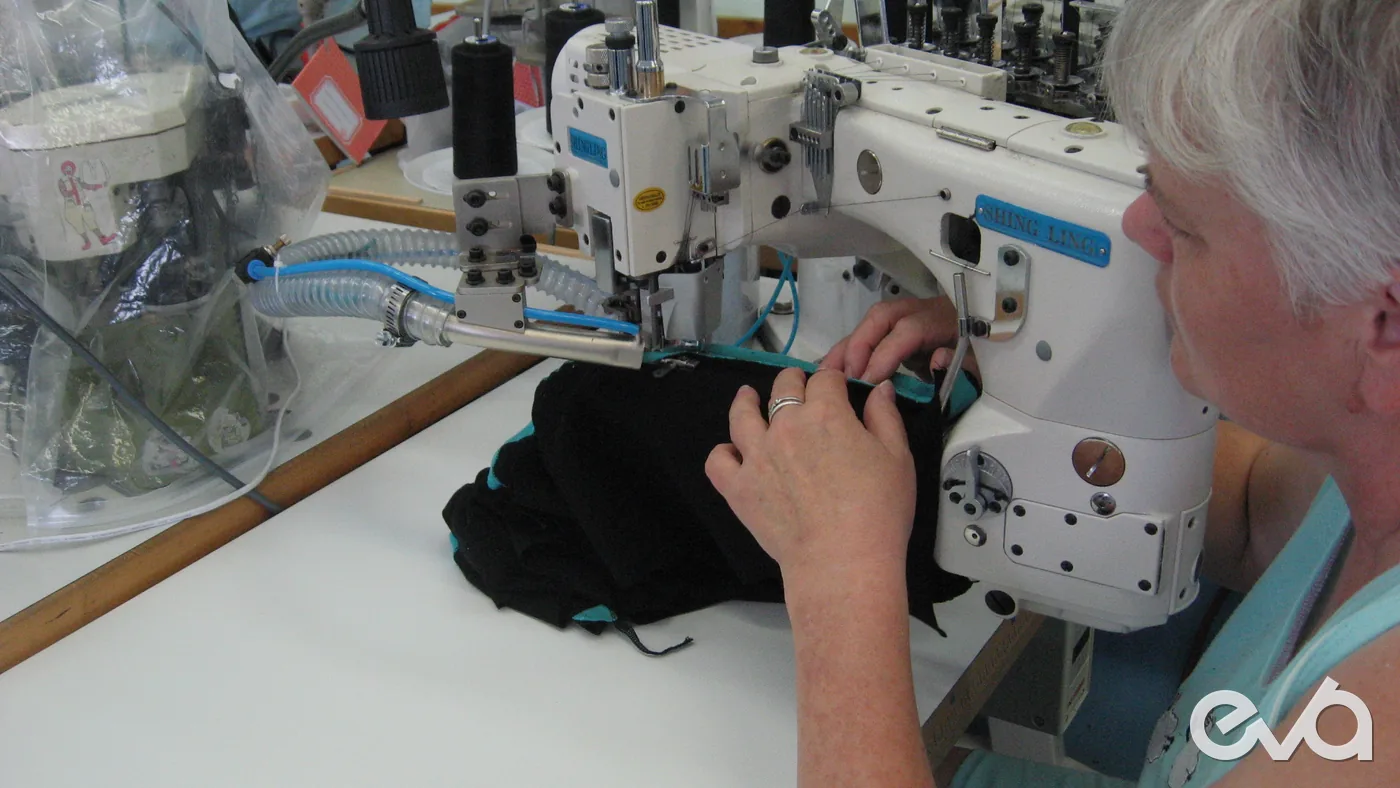
Use this five-checkpoint vetting framework before committing production volume:
- Category fit: ask for recent production examples in your exact garment type (activewear, basics, kidswear, outerwear, etc.), not generic fashion samples.
- Quality system proof: require documented QC flow, AQL standard, and defect escalation process before first PO.
- Capacity and throughput: confirm monthly capacity by SKU complexity, not by broad “we can handle it” claims.
- Communication reliability: test response speed, technical clarity, and issue handling during sampling. This predicts operational friction later.
- Commercial terms: validate MOQ, payment terms, sample timeline, and re-order lead times in writing.
Before signing, run a pilot order with strict acceptance criteria. A clean sample is not enough. You need evidence the factory can repeatedly deliver your spec at production volume.
MOQ, Lead Time, and Margin Math Before You Place a PO
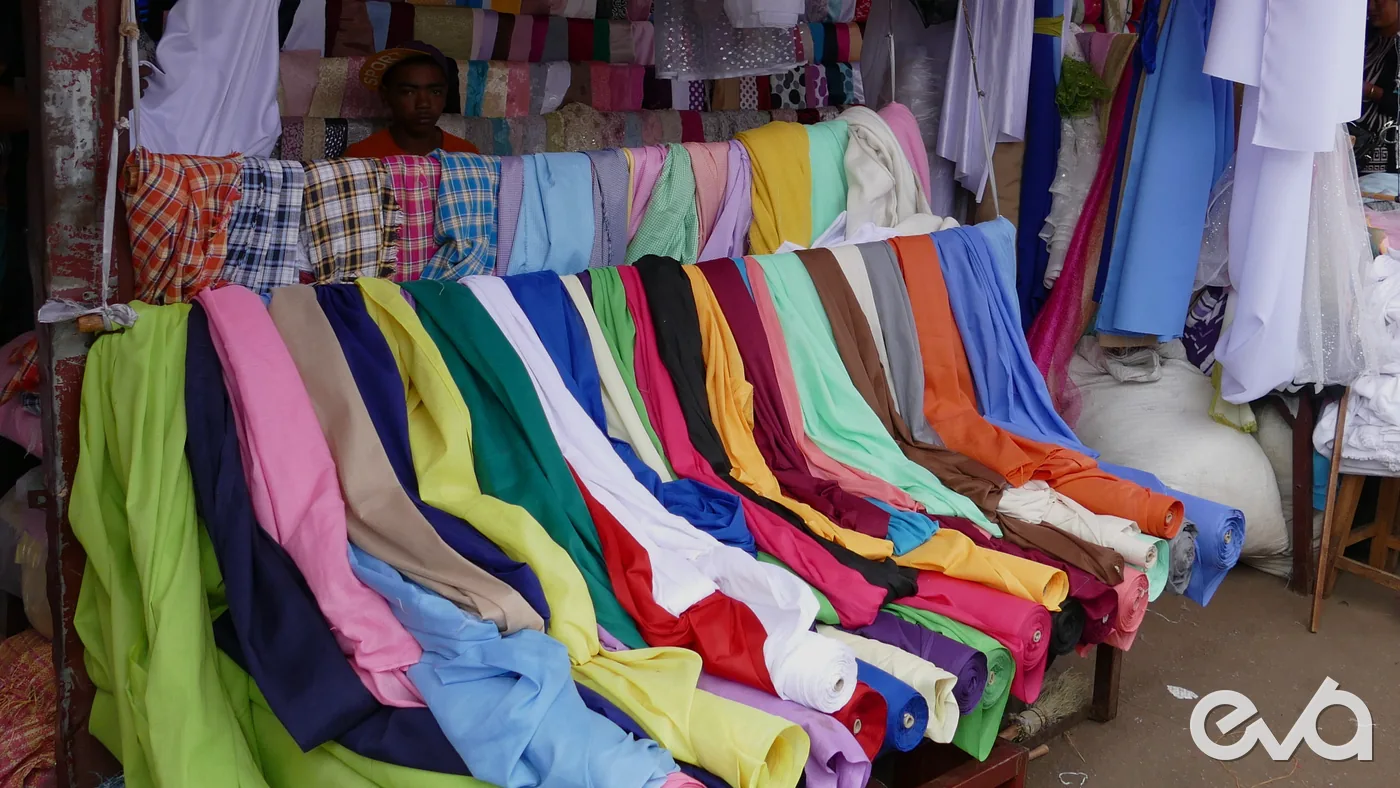
Most brands over-focus on unit cost and under-model total landed margin. Use a full contribution view:
- Factory unit cost
- Freight and duty
- Prep and fulfillment fees
- Returns allowance
- Promo and coupon pressure
- Advertising cost at realistic conversion rate
Operator rule: if your modeled net margin is fragile before launch, scale plan is likely fragile after launch. Build a margin floor that can absorb ranking investments, promotions, and early conversion volatility.
If you need listing and discoverability support before spending deeper on inventory, start with a structured Amazon listing audit so your conversion assumptions are based on real listing quality, not guesswork.
Compliance and Quality Workflow That Protects Your Brand
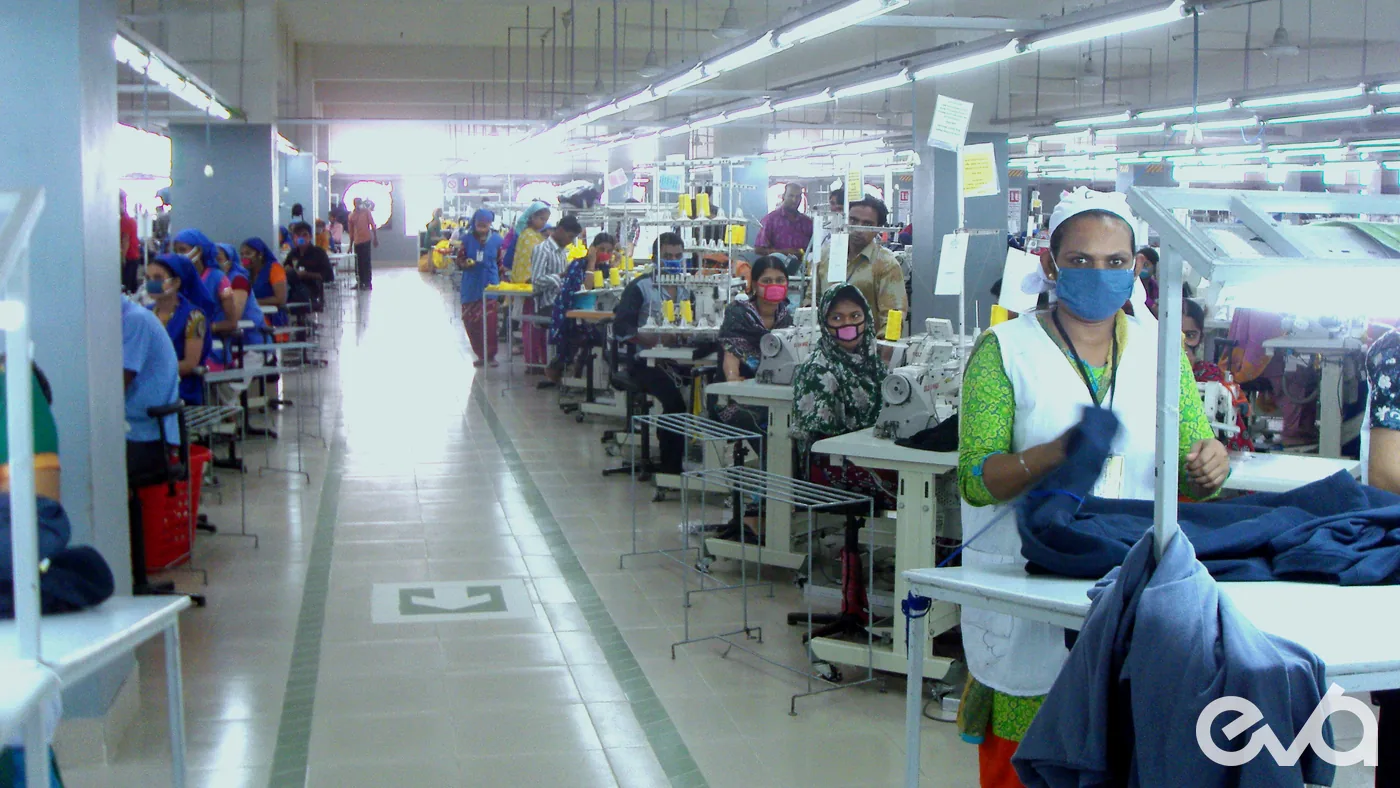
For apparel sellers, compliance failures are expensive and reputation-damaging. Build these controls into your production workflow:
- Pre-production checklist: finalized tech pack, graded specs, trims confirmation, label/packaging requirements, and compliance documentation requirements.
- In-line quality checks: staged inspections during cutting, stitching, and finishing so defects are caught before final packing.
- Pre-shipment inspection: AQL-based final check with measurable pass/fail thresholds and photo evidence.
- Labeling and claims review: ensure country-of-origin, care labels, fiber composition, and claim language are accurate for your target market.
- Chargeback and return feedback loop: route defect and return reasons back to manufacturing specs each month.
When this loop is missing, most brands mistake avoidable operational defects for “market fit” problems.
Supplier Comparison by Business Stage
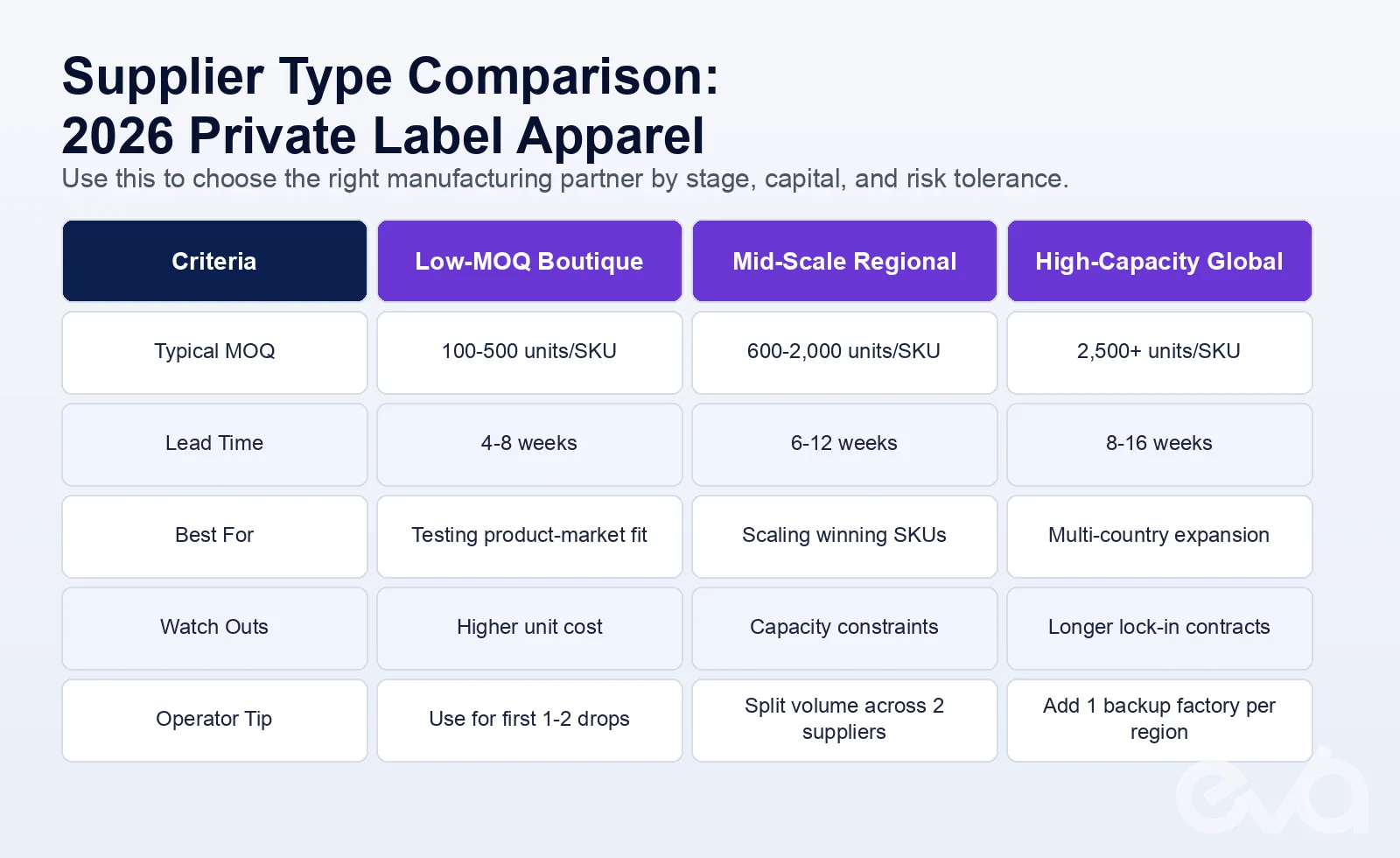
Use this quick view to choose supplier profile by stage:
| Criteria | Low-MOQ Boutique | Mid-Scale Regional | High-Capacity Global |
|---|---|---|---|
| Typical MOQ | 100-500 units/SKU | 600-2,000 units/SKU | 2,500+ units/SKU |
| Lead Time | 4-8 weeks | 6-12 weeks | 8-16 weeks |
| Best For | Early product-market testing | Scaling proven SKUs | Multi-market expansion |
| Main Risk | Higher per-unit economics | Capacity constraints in peak season | Longer lock-in and slower pivots |
Launch Checklist for Amazon Apparel Private Label Brands
Before launch, make sure manufacturing and go-to-market are aligned:
- Finalize margin model with conservative ad assumptions.
- Validate replenishment timeline before first campaign scale-up.
- Publish listing content that is both shopper-readable and machine-readable.
- Set returns and defect monitoring from day one.
- Align ad velocity with inventory position to avoid stockout-driven rank drops.
For brands that need full execution instead of fragmented vendors, Eva manages this as one system through full-service Amazon management and ties ranking, PPC, listing optimization, and inventory decisions together.
Common Mistakes When Choosing a Private Label Clothing Manufacturer
- Choosing on quote alone: low price with unstable quality almost always costs more later.
- Skipping pilot orders: brands jump into volume before testing repeatability.
- No quality ownership: unclear accountability leads to finger-pointing on defects.
- Over-ordering before conversion proof: inventory risk rises fast in seasonal apparel categories.
- Disconnected ops and ads: ranking goals fail when supply and campaign pacing are not synchronized.
Final Takeaway
The best private label clothing manufacturer for Amazon sellers is the one that can repeatedly hit your spec, protect your margin, and support replenishment at the speed your growth plan requires. Treat supplier selection as an operating-system decision, not a one-time sourcing task.
If you want a full system around listing quality, demand generation, and profit accountability, see Eva’s Amazon Growth System and the Amazon ranking framework. For tactical execution references, review the Amazon Profitability Playbook 2026 and Amazon Rufus and AI Search Optimization playbook.
Related Eva guide: Supplier selection is one part of a complete product and launch decision. Continue with Eva's Amazon private label guide for 2026 for economics, inventory, content, and media.
FAQs
What is a typical MOQ for private label clothing manufacturers?
Typical MOQ ranges from 100-500 units per SKU for boutique suppliers, 600-2,000 for mid-scale regional suppliers, and 2,500+ for high-capacity global factories.
How do I know if a clothing manufacturer is reliable?
Run a pilot order, request recent production references in your garment type, verify documented QC steps, and confirm lead-time consistency across sample and production phases.
Should Amazon sellers prioritize lower unit cost or faster lead time?
Prioritize total profitability and ranking stability. A slightly higher unit cost with reliable replenishment often outperforms a cheaper supplier that creates stockouts and returns.
How much margin should I target before launching an apparel SKU on Amazon?
Model margin with freight, fulfillment, return rate, and ad cost assumptions included. Brands should avoid launching SKUs where margin collapses under realistic TACoS and promo pressure.
Can one manufacturer handle all apparel categories?
Rarely at high quality. Most scaling brands use a primary supplier per category and keep backup options for risk control and seasonal volume shifts.
What compliance issues are most common in apparel private label?
Labeling errors, fiber-content mismatches, inconsistent sizing, and weak pre-shipment quality checks are common causes of returns, account stress, and margin leakage.
When should I switch manufacturers?
If defect rates rise, lead times become unreliable, or the supplier cannot support your volume plan without repeated exceptions, start a controlled migration with dual-source testing.
What should I do before increasing ad spend on a new apparel SKU?
Confirm inventory coverage, listing quality, and conversion readiness first. Scaling traffic before operations are stable usually amplifies inefficiency.